Strategic objectives in health and safety for 2023–2025:
Achieve the industry average injury rate
Achieve zero fatalities
Strategic goals
In 2025, the Company was strongly focused on improvements to its health and safety (H&S) system management system. A new format for operational control was developed, field‑tested, and implemented at Oktyabrsky Mine.
The new format stands out for its systematic approach, sets out clear requirements for employees, and ensures that identified gaps are cascaded, which helps minimise the risks of severe and fatal accidents. The new format is currently in the pilot deployment phase across mining operations of the Kola and Norilsk sites. Going forward, the new operational control format will be integrated into the Company’s industrial safety management system, enhancing the effectiveness of which remains a key challenge for the Company in 2026.
In 2025, a large‑scale employee survey was conducted to evaluate perceptions of health and safety. Based on the results, several initiatives were developed and implemented, with the best – the Detecting Unsafe Activities project and the On‑Site Training Programme for H&S Staff – delivered in 2025. The overall H&S perception score across the Company improved to 3.8 points in 2025 from 2.6 in 2024. In 2026, the Company plans to continue employee development initiatives based on the established role models and the adopted Function Employee Rules.
Management system and KPIs
Key performance indicators
Within the Group’s team KPIs, 20% of the weighting is assigned to the implementation of the action plan designed to enhance safety culture and reduce work‑related fatalities. These initiatives are directly overseen by senior management, including members of the Management Board. When evaluating performance against this KPI, an adjustment factor based on the current FIFRFatal injury frequency rate, the number of fatalities per million hours worked. rate is applied. The FIFR reduction target is based on achieving an annual decrease from a 2021 baseline, with a goal of at least a 60% reduction by end‑2025.
Production site managers are personally responsible for the health and safety of each of their subordinates. Injury and industrial safety metrics weigh up to 35% in their individual KPIs. The target is to achieve 100% implementation of the H&S action plan within the established timeframe.
Governance structure
Industrial safety matters are overseen by the Audit Committee of the Board of Directors. The Committee reviews quarterly management reports on industrial safety performance and is briefed on the causes of accidents, the measures taken to prevent similar incidents in the future, and any disciplinary actions taken against those responsible.
The Company has a Health, Safety, and Environment Committee, chaired by the First Vice President – Chief Operating Officer, Head of the Polar Division. Its main objectives are to improve performance and accountability in health and safety. The Committee holds quarterly meetings at the Group’s production sites.
Industrial safety audits
The Company conducts regular audits of its occupational safety management system. In 2025, Nornickel successfully completed the audit and renewed its certificate of conformity. The certification body, Bureau Veritas Certification, noted employees’ commitment to maintaining and continuously improving the management system, a focus on sustainable development with account for changes in the external and internal environment, and unconditional compliance with legal requirements for occupational health and safety. Among the Company’s strengths, the auditors highlighted the implementation of a continuous improvement methodology for H&S.
At the end of 2025, 51%By average headcount. of Group companies were certified to ISO 45001:2018 for occupational health and safety.
In 2025, the Company conducted ten comprehensive H&S maturity audits aimed at identifying the root causes of detected non‑conformities and developing corrective actions to address them.
In 2025, new auditing techniques were developed and refined, including:
a pilot rollout of an H&S rating system for contractor organisations at Nadezhda Metallurgical Plant;
targeted audits at mine sites taking into account three categories of safety barriers (technical, procedural, and behavioural).
Work‑related injuries
In 2025, the Company focused on improving the responsiveness and consistency of incident management. A key achievement was transitioning the Incident Investigation Department to a 24/7 operating model by establishing a rapid response team. Combined with the implementation of a unified notification system for accidents, incidents, and emergencies, this has accelerated internal investigation timelines by 30%. To improve the effectiveness of assistance provided to injured people, a coordination protocol was developed and rolled out to arrange transportation to specialised medical facilities across the country for further treatment.
Functionality was introduced to record actions arising from incident investigations, and a new tool was implemented to ensure that lessons learned from any incident investigation are shared and replicated across the Company’s units.
A heightened emphasis was laid on preventive measures: a comprehensive review of the Golden Rules of Safety was conducted to identify risk gaps and then update the rules accordingly. To build sustainable capabilities in investigations, a business game was developed and rolled out as an effective training tool to equip employees with a risk‑based approach and root cause analysis methodology. These comprehensive measures have significantly strengthened the Company’s ability to prevent future incidents.
Work‑related injuries across the Group, people
The lost time injury frequency rate (LTIFR) increased to 0.99 in 2025, while the fatal injury frequency rate (FIFR) was 0.044.
Tragically, five fatal workplace accidents were recorded at the Company in 2025. Each accident was thoroughly investigated, with reports submitted to the Board of Directors and action plans developed to address the root causes. The Company continues to improve the quality of its incident investigations and is reshaping its occupational safety communications with employees.
Causes of fatalities
Indicators
2021
2022
2023
2024
2025
Falls from height
1
1
0
0
1
Falling objects
0
0
0
0
0
Moving objects/parts
3
0
0
0
0
Rock fall
2
2
0
0
1
Underground transport
0
0
3
3
1
Electrocution
1
0
0
0
0
Collapse of structures
0
0
2
0
0
Explosion
0
0
0
0
0
Other
4
1
0
0
2
Total
11
4
5
3
5
Following the investigation into a multi‑person accident involving a sulphuric acid spill caused by loss of containment due to a flanged joint failure, measures were implemented to address the systemic causes: the design documents were updated to enable safe local equipment testing; fluoroplastic protective casings were replaced with metal ones; on‑off valves on acid pipelines will be fitted with remote control systems; a mandatory procedure for post‑repair leak testing was introduced; safe zones for employees were designated with clarified PPE requirements; illuminated markings were installed; and the operability of emergency safety showers was verified.
Based on the investigation into an accident where a rock fall struck an employee moving along an underground working, a procedure for repeat inspections of rock bolt supports was developed and is being implemented. Pilot tests of innovative technologies to detect hidden defects were also initiated, with subsequent rollout to all mines of the Polar Branch.
To address the root causes of an accident where an employee was pinned between a mine car and a car tippler, a process sheet for safe work execution was developed; the railings and gradient were reinstated as designed; and interaction was initiated with the equipment manufacturer to obtain rejection criteria and amend the relevant process documents.
Following the investigation into an accident where an employee was pinned by a crowbar while attempting to manually clear rock hang‑up in a bin, the use of hand tools was prohibited; protective railings were installed around inspection hatches; organisational and technical measures are being implemented to reduce the moisture level and contamination of rock; and the development and deployment of specialised devices (vibratory, impact, etc.) to prevent hang‑ups was initiated.
Following the investigation into an accident where an employee fell into a bin while attempting to remove a stuck steel structure (ore contaminant), amendments to regulations are being developed, along with an instruction and a procedure for interaction when removing ore contaminants. Further plans include the use of unmanned systems to inspect hazardous areas where ore contaminants need to be removed from ore passes / receiving bins. Going forward, such work will be carried out under the direct supervision of technical managers, with process sheets developed.
Contractor safety
Contractor injury rates, people
Indicators
2021
2022
2023
2024
2025
Work‑related injuries, including:
30
46
32
31
29
Lost‑time injuries
28
42
25
30
28
Fatal injuries
2
4
7
1
1
LTIFR
–
–
–
0.52
0.56
FIFR
–
–
–
0.017
0.020
The Company’s procedural documents on industrial safety – including regulations, policies, corporate standards, and the Golden Rules of Safety – also apply to contractor employees. In 2025, the Board of Directors approved the Contractor Health and Safety Management Policy.
When engaging contractors, the primary focus in health and safety is on preventing fatal incidents and ensuring compliance with industrial safety requirements.
All tasks performed by contractors in high‑hazard environments are carried out in accordance with corporate safety standards. Work permits must take into account occupational safety requirements to be followed during both the planning and execution of tasks. Compliance with these requirements is monitored on every shift. Before starting work, contractor employees take induction and task‑specific H&S briefings, including guidance on safety measures.
Contractor representatives participate in regular joint safety inspections held at Nornickel sites. If contractors fail to comply with safety requirements, penalties are imposed.
To foster a culture where safety is a shared value among all stakeholders, Nornickel holds an annual forum with major contractors to discuss relevant case studies and safety challenges. These discussions are supported by training sessions delivered by the Company’s internal safety coaches. The forum reinforced the understanding that safety is a collective responsibility, not solely that of the customer.
In addition, Nornickel regularly organises contractor training sessions on Dynamic Risk Assessment and Behavioural Safety Audits.
Safety culture
The Company continuously improves its H&S system elements. These changes cover all production units of the Company across production stages – from mining ore to making metals.
The Company began conducting regular assessments of safety culture maturity using Patrick Hudson’s methodology (five levels of the safety culture ladder) since 2024. The safety culture score was 2.87 points in 2024 vs 3.5 in 2025.
Health and safety expenses
Indicators
2021
2022
2023
2024
2025In 2025, the Company developed and adopted a unified approach to reporting on HSE costs. The new approach does not include costs for activities where improvements in HSE conditions are a co‑effect. Comparison of 2025 costs with data presented in the Company’s earlier public reports is irrelevant.
Health and safety expenses, RUBmln, including:
12,728
21,697
17,505
19,784
11,401
Expenses per employee, RUBthousand
173
272
218
256
150
To maintain a high level of employee awareness regarding safety measures, the Company regularly develops and updates its guides, videos, presentations, and other visuals highlighting key safety measures for protecting life and health in various situations or when performing specific tasks. All Company employees have access to occupational health information.
For example, in 2025, Nornickel focused on the following key initiatives:
Changing the communication format – with an emphasis on clear, engaging examples related to health and safety: publications on the Company website, and posts in the Supernika app
Implementing proprietary digital solutions to prevent accidents:Four video analytics solutions implemented to detect breaches of the Golden Rules of SafetyOngoing rollout of speech analytics infrastructure
Four video analytics solutions implemented to detect breaches of the Golden Rules of Safety
Ongoing rollout of speech analytics infrastructure
Introducing a new audit format aimed at identifying systemic gaps
Sharing and replicating lessons learned from incident investigations
Fully transforming the H&S incentive scheme, including the format of competitions
Launching and successfully delivering in‑house safety culture projects, Safety Leadership and the Safety Ambassador Programme
Emergency preparedness
In line with legal requirements, Nornickel maintains a constant state of emergency preparedness across all units, including for emergency containment and response. This is particularly critical, as the Company operates more than 300 hazardous facilities that use hazardous substances in their production processes.
Nornickel has developed and operates a multitiered H&S monitoring system, which includes ad hoc, targeted, and comprehensive H&S inspections. The Company’s incident reporting procedure and incident classification system enable prompt response to incidents and expand the capacity for further analysis.
In addition, the Company conducts behavioural safety audits. As a result of prevention and control efforts, around 8 thousand industrial safety violations were identified, with the responsible employees held accountable, including through partial or full withholding of bonuses.
Emergency preparedness procedures
Every enterprise has in place on‑site emergency response plans
Mine rescue teams have been established and take regular training under conditions as close to real emergencies as possible
Employees undergo training on emergency response actions, and drills are conducted
Emergency surveillance, alert, communication, and response support systems have been installed across facilities
Reserves are in place to support emergency response at hazardous facilities
Contracts with professional emergency rescue services and organisations are maintained
Monitoring of violations
Nornickel has developed and operates a multitiered H&S monitoring system, which includes ad hoc, targeted, and comprehensive H&S inspections. The Company’s incident reporting procedure and incident classification system enable prompt response to incidents and expand the capacity for further analysis.
In addition, the Company conducts behavioural safety audits. As a result of prevention and control efforts, around 3 thousand industrial safety violations were identified, with the responsible employees held accountable, including through partial or full withholding of bonuses.
Employee training
The Company is committed to ensuring that its employees have the necessary knowledge, skills, and competencies to perform their duties safely and responsibly.
Training begins immediately after hiring, starting with a health and safety induction, followed by on‑the‑job briefings. Thereafter, briefings and training sessions are held regularly in line with existing corporate programmes and the specific nature of each role. All Group employees regularly take online industrial safety trainings followed by tests. Interactive training courses have also been developed for employees in core operational roles.
H&S training statistics
Indicators
2021
2022
2023Since 2023, the number of employees trained has been tracked based on programmes developed by the H&S Department.
2024
2025
Number of employees trained
38,253
51,520
57,114
55,427
50,061
Percentage of employees trained
52
66
72
70
66
Number of trainings conducted
–
707
4,262
4,045
4,208
Building practical skills
The Company’s training system places special emphasis on the acquisition of practical skills and competencies for the effective and safe operation of high‑tech equipment. The Monchegorsk branch of the Corporate University features a virtual reality (VR) classroom, while the Norilsk site hosts a comprehensive set of advanced facilities, enabling employees to safely master complex skills for working in hazardous environments. Using VR simulators, employees learn to properly use personal protective equipment and safely navigate underground mine workings. 3D virtual reality training simulators, powered by immersive technologies, allow for realistic visualisation of mine infrastructure and simulation of actual underground machinery operations. Approximately 350 employees underwent simulator‑based training in 2025.
Over 200 operators of underground self‑propelled machines receive annual hands‑on training at the underground training facility located at the Anhydrite shaft of Kayerkansky Mine, which ranks among the top 15 industrial tourism destinations. Preparations are currently in progress to implement unmanned mining technologies, so employees are being trained to operate machinery and equipment using remote‑control technologies.
From 2023, practical training has been delivered to develop skills for working at height using a range of safety equipment. In 2025, more than 4.5 thousand employees completed relevant courses at the training facility.
In 2025, a working at height training rig was launched near Nadezhda Metallurgical Plant, with 443 employees completing the training.
In July 2025, a new, unique indoor training rig for working at height courses was launched in Monchegorsk. The first 75 employees have been trained.
Protection against health hazards
The Company protects employees from workplace health hazards by providing collective and personal protective equipment, introducing effective work and rest schedules, and improving workplace amenities. All employees have a mandatory meal break during their shifts.
Employees exposed to hazardous substances undergo special medical examinations at occupational pathology centres. Personnel working in contaminated environments are provided free of charge with wash‑off and decontaminating agents. Employees operating in hazardous or highly hazardous conditions are entitled to free preventive nutrition, milk, or equivalent food products.
Prevention of occupational diseases
Most Company employees reside in the Norilsk Industrial District. To minimise the risk of occupational diseases, Nornickel operates the Sulphur Project aimed at reducing sulphur dioxide emissions, implements effective healthcare measures that consider both workplace and personal risk factors, and encourages healthy lifestyles.
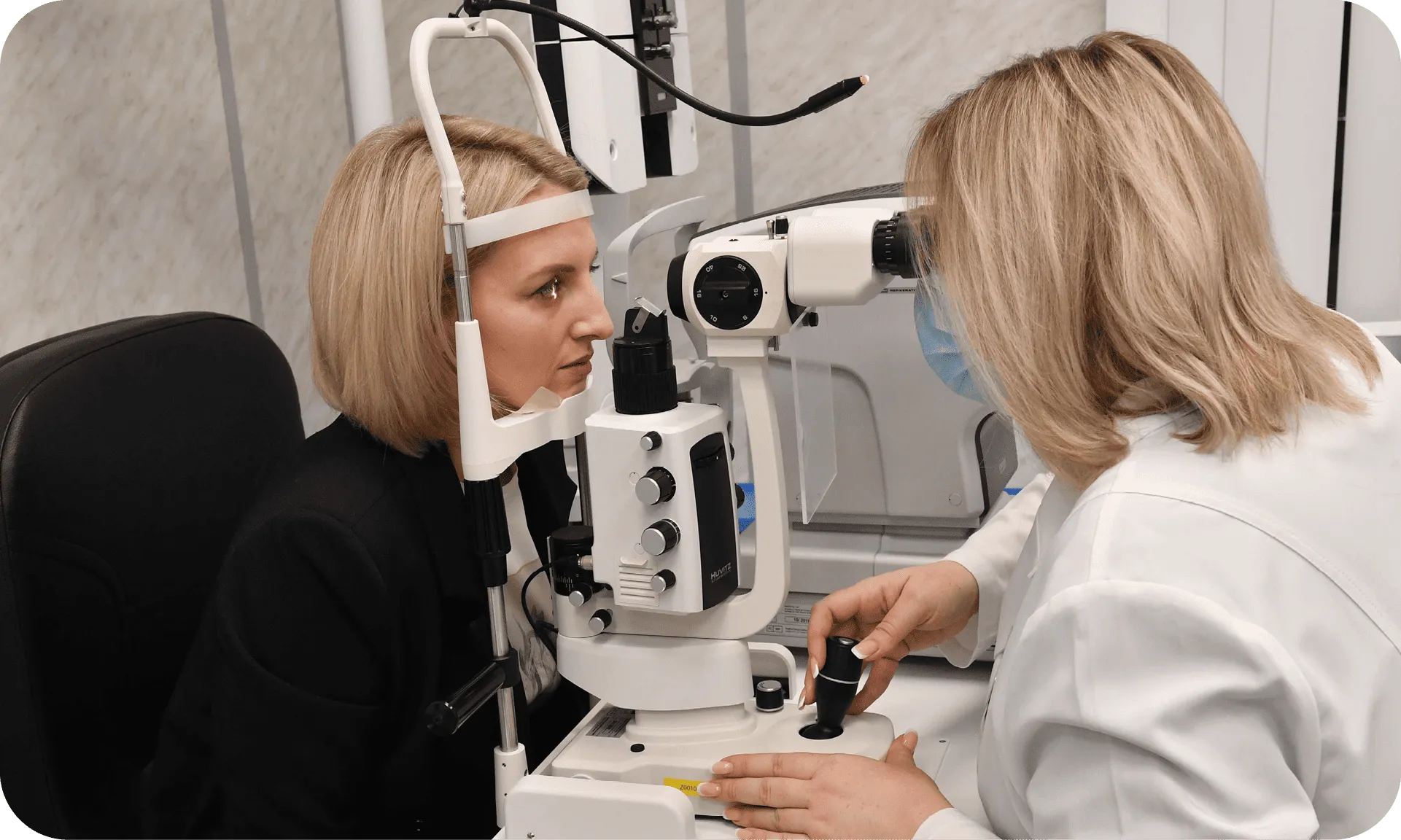
Regular health monitoring of employees is a key element in preventing occupational diseases. The employees undergo mandatory pre‑employment and regular medical examinations at the Company’s expense throughout the course of their employment. On‑site medical aid posts operate at production enterprises to conduct pre‑shift health checks and provide medical assistance upon request.
.BVkbYMlS_ZMI9lK.webp)