Sustainability governance at Nornickel is based on a matrix model, with responsibility for implementing environmental, social, and governance (ESG) initiatives distributed among various functions. Key decisions and oversight on most matters in this area rest with the highest governance bodies – the Management Board, the Board of Directors, and their dedicated committees. At the Board level, the Sustainable Development and Climate Change Committee is responsible for overseeing the development and implementation of sustainability practices.
Nornickel’s operations and strategic planning are based on sustainability principles set out in the Company’s internal regulations.
Sustainability governance structure
Sustainability KPIs for senior management
Strategic priorities
In 2025, the Company made further progress on its Socially Sustainable Development Strategy. Under the strategy, Nornickel pursues goals aimed at ensuring decent work and workplace safety while creating opportunities for the development of human capital and local communities, including through cooperation with indigenous peoples.
The Company also focused on updating and implementing its Environmental and Climate Change Strategy. The Strategy sets out goals to mitigate environmental impact, minimise risks, and comply with sustainability standards.
Key sustainability projects that received the most funding in 2025:
Nornickel conducted due diligence covering 100% of mineral suppliers,Mineral suppliers include suppliers of mined minerals (primary processed material that has never been previously refined) and suppliers providing minerals transportation, processing, and loading/unloading services. “Minerals” are minerals containing nickel, cobalt, and copper. identifying no supply chain risks
the Company assessed a sample of suppliers of goods, works, and services for compliance with sustainability and responsible supply chain requirements. The sample covered 44% of the Group’s procurement, with the compliance rate also at 44%The results of supplier due diligence and assessment against sustainability and responsible supply chain criteria are further detailed in the 2025 Responsible Supply Chain Report.
Nornickel reviewed recommendations for improving the quality of sustainability risk management
Company employees continued training through courses on sustainability, responsible supply chain management, and human rights
the Company measured its human rights index.
In 2026, Nornickel will continue initiatives to further align its operations with leading national and international standards and guidelines, including plans to further integrate sustainability.
Stakeholder engagement
Key stakeholder groups: employees; government authorities; rating providers; shareholders, brokers, investors, and analysts; customers and suppliers; local communities and NGOs.
Stakeholder engagement at Nornickel is guided by three principles
Ongoing dialogue through multiple communication channels, consideration of stakeholder interests and expectations, and analysis of feedback
Management of actual and potential impacts and minimisation of adverse effects
Transparency through the annual publication of stakeholder engagement plans and reports in line with current standards and guidelines
To advance its sustainability agenda, Nornickel uses digital tools that reach out to different target audiences and help assess audience engagement levels, identify key topics to address, gather feedback, and adjust subsequent communications as necessary.
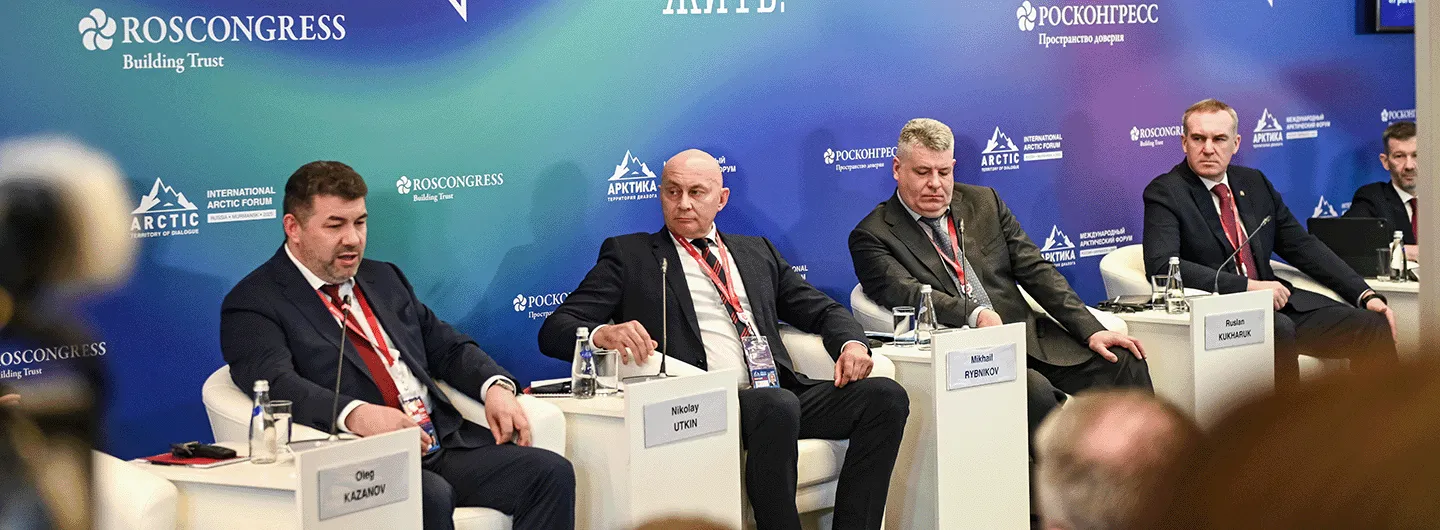
For many years, Nornickel has operated a support programme for indigenous peoples and continues to improve its practices in this area. In March 2025, at the 15th Arctic: Territory of Dialogue International Arctic Forum, the Company signed a new cooperation agreement with the Federal Agency for Ethnic Affairs and the Russian Association of Indigenous Peoples of the North. The agreement is primarily aimed at building partnerships for the benefit of indigenous peoples.
In the reporting year, Nornickel became one of the five industrial partners of the future international campus project in the Trans‑Baikal Territory. Between them, the partners will invest more than RUB 3 billion in the construction of the education centre in this region.
Nornickel and ECOFES, a manufacturer of water treatment equipment, presented the results of their joint development of palladium‑based electrodes. The innovative palladium‑coated electrodes for water treatment significantly improve the efficiency of disinfectant production, reduce energy consumption, and extend equipment service life.
Nornickel became an official partner of the Digital Industry of Industrial Russia (CIPR 2025) conference and entered into strategic partnerships with leading Russian companies to implement best practices in digitalisation.
Nornickel and Moscow State University signed a cooperation agreement aimed at advancing applied environmental research in the Arctic. A distinctive feature of the agreement is the involvement of international research centres in field studies in Norilsk.
ISO standards
Standards
ISO 14001:2015 – Environmental management systems
ISO 9001:2015 – Quality management systems
ISO 45001:2018 – Occupational health and safety management systems
Standards
ISO 14001:2015 – Environmental management systems
ISO 9001:2015 – Quality management systems
ISO 45001:2018 – Occupational health and safety management systems